

For specialty coffee businesses and industrial producers, the choice between a gas-fired system and an electric heating element is one of the most significant technical decisions in the procurement process. This choice impacts not only the flavor profile of the bean but also the long-term operational costs and environmental footprint of the facility.
As a leading manufacturer of the industrial coffee roasting machine, we provide this performance and roasting ROI analysis to help you determine which energy source aligns with your production goals.
Performance Analysis: Precision and Thermal Control
When comparing a gas coffee roaster vs electric, the primary difference lies in how heat is transferred to the coffee beans and how quickly the roaster can respond to adjustments.
Gas Coffee Roasters: Power and Responsiveness
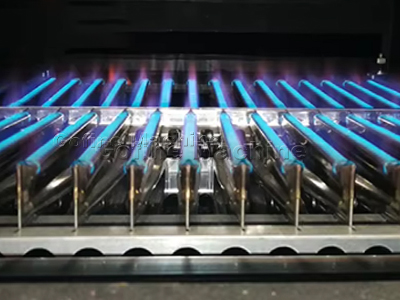
Gas roasters are the traditional choice for high-volume, industrial operations. They utilize a direct flame to heat the air (convection) and the drum (conduction).
- Thermal Agility: Gas systems offer near-instantaneous temperature adjustments. When a roaster adjusts the gas valve, the heat change is reflected in the bean curve almost immediately, allowing for precise control over the “First Crack” and the development phase.
- High Capacity: For machines larger than 15kg, gas is often the only viable option due to the massive BTU requirements needed to maintain thermal momentum in heavy drums.
Electric Coffee Roasters: Stability and Consistency
Electric roasters use high-wattage heating elements or infrared technology.
- Consistency: Once an electric element reaches the target temperature, it provides a very stable and radiant heat source. This is excellent for repetitive, automated profiles where minimal human intervention is desired.
- Environmental & Installation Simplicity: Electric roasters do not require gas line plumbing or the complex permitting often associated with combustible fuels, making them ideal for urban coffee shops or labs.、
Roasting ROI: Calculating the Long-Term Costs
To understand the true roasting ROI, a business must look beyond the initial purchase price and evaluate “Cost Per Kilogram” over a 5-year period.
1. Operational Energy Costs
In most global markets, natural gas or LPG is significantly cheaper than electricity per unit of energy. For a high-output industrial coffee roasting machine running 8 hours a day, the savings on gas utility bills can often pay for the machine’s price difference within the first 18–24 months.
2. Maintenance and Longevity
Gas Roasters: Require regular inspection of burners and gas valves, but the core heating components are incredibly durable and can last decades.
Electric Roasters: Heating elements are “consumables.” Depending on the roasting volume, these elements may need replacement every few years to maintain heating efficiency, which should be factored into the ROI.
3. Scaling and Throughput
If your goal is to scale, gas roasters generally offer faster “between-batch” recovery times. This allows you to fit more roasts into a single shift, maximizing the ROI of your labor and facility space.
Strategic Selection for Your Business Model
| Feature | Gas Coffee Roaster | Electric Coffee Roaster |
| Best For | High-volume wholesale & Industrial | Boutique retail, Labs, & Eco-conscious shops |
| Response Time | Fast / Dynamic | Moderate / Stable |
| Installation | Complex (Ventilation + Gas lines) | Simpler (Electrical + Ventilation) |
| ROI (Long Term) | Higher for high-volume production | Higher for low-volume specialty shops |
The Verdict: Which Machine Should You Choose?
If you are a high-volume producer looking for maximum roasting ROI and the ability to manipulate complex flavor profiles with high thermal agility, a gas-powered industrial coffee roasting machine is the gold standard.
However, if you are operating a boutique shop with limited infrastructure, or if you prioritize a lower carbon footprint and ease of use, modern electric roasting technology now offers the precision required for specialty-grade results.
[Call to Action] Consult with the Roasting Technology Experts
Are you ready to elevate your roasting facility? As a professional manufacturer, we offer both high-performance gas and precision electric models tailored to your specific market needs. Whether you need a 6kg shop roaster or a 60kg industrial plant, our technical team will provide a customized ROI analysis and factory layout.
📩 Contact us today for a technical consultation and a detailed equipment quote!
Online message